
Samsung and LG are both South Korean electronics giants, both make refrigerators that look great in a showroom, and both have been going head to head in this category for decades. If you’ve spent any time comparing the two, you’ve probably noticed that most reviews end with something unhelpful like “both brands offer excellent value depending on your needs.” This article isn’t going to do that. There are real, meaningful differences between how Samsung and LG approach refrigerator design, cooling technology, smart features, and long-term reliability, and those differences genuinely matter for different types of buyers. Here’s an honest breakdown on Samsung vs LG Refrigerator
Table of Contents
The Core Philosophy: What Each Brand Is Actually Trying to Do
Before getting into specific models and features, it helps to understand that Samsung and LG aren’t really trying to build the same thing.
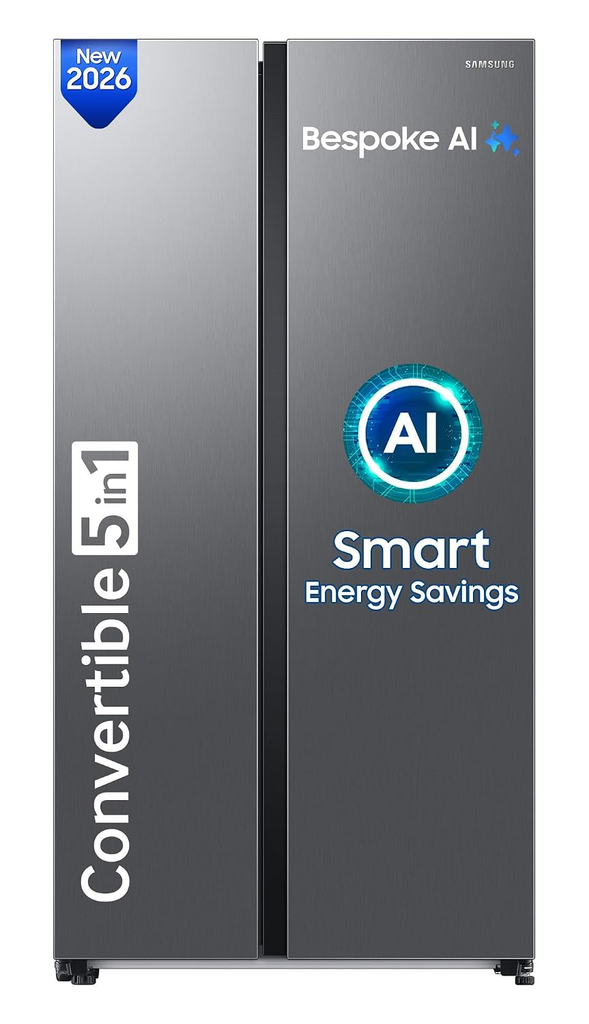
Samsung consistently positions itself at the forefront of technological advancement and contemporary design. A Samsung refrigerator appeals to the tech-savvy consumer who views the kitchen as an integrated part of their smart home. This shows up in everything from the Bespoke lineup’s swappable colored panels to the Family Hub’s 21.5-inch touchscreen that lets you manage grocery lists, stream music, and check security cameras from the front of your fridge.
LG’s market standing is built upon a foundation of trust, reliability, and meaningful innovation. An LG refrigerator is often perceived as a sensible, long-term investment. The brand consistently earns accolades for its industry-leading energy efficiency and the remarkable durability of its compressor technology. LG’s signature innovations tend to be quieter and more practical, the InstaView knock-twice panel, craft ice spheres, and the Linear Compressor technology that forms the backbone of their reliability reputation.
In short: Samsung sells you the kitchen of the future. LG sells you a fridge you’ll still trust in ten years. Neither framing is wrong, they just appeal to genuinely different priorities.
Lineup Comparison: What Each Brand Offers
Both brands cover every major refrigerator configuration, but their flagships tell you everything about where each company puts its energy.
Samsung’s lineup:
Samsung offers an incredible creative lineup — especially with its 4-door Flex, Bespoke, and Family Hub models. They cover all essentials like French door, side-by-side, top freezer, and bottom freezer options, while also offering counter-depth, full-depth, and garage-ready options. The Bespoke series is Samsung’s standout — a modular line where you can mix and match panel colors (matte white, navy, sage green, stainless) and swap them later if your kitchen changes. Samsung Bespoke fridges start at around $2,300 for the cheapest side-by-side model and climb past $5,000 for the top-of-the-line 4-Door Flex French-door with AI Family Hub+.
LG’s lineup:
LG offers everything from basic top-freezer units to French door, side-by-side, bottom freezer, counter-depth, and specialty models. LG also brings the MoodUP series — a tech-forward line of refrigerators with LED color-changing door panels and Bluetooth speaker integration. LG’s flagship InstaView series ranges from around $1,899 for an entry-level side-by-side to $3,487 for the premium four-door French door model, making it generally more accessible at the premium tier than Samsung’s equivalent.
At the entry and mid-range levels, both brands offer competitive top-freezer and bottom-freezer models in the $800 to $1,500 range where everyday reliability matters more than flagship features.
LG Refrigerator Problems: Every Common Issue and How to Fix It
Cooling Technology: The Most Important Practical Difference
This is where the comparison gets genuinely interesting, because both brands use fundamentally different engineering approaches to keep your food cold, and those differences have real-world consequences.
LG uses linear and inverter compressors, ensuring steady cooling and less noise. Samsung offers Twin Cooling Plus systems, keeping freezer and fridge air separate to lock in freshness.
LG’s Linear Compressor is the key to understanding what makes their fridges different at a fundamental level. A conventional compressor runs at full power when the temperature rises and switches off when it reaches the target, cycling on and off repeatedly throughout the day. LG’s linear compressor moves a piston in a straight line rather than rotating, which means it can modulate its power output smoothly up and down rather than just on and off. The practical results are genuinely significant: noticeably quieter operation, less energy consumption, and far less mechanical wear over time, which is why LG backs it with a 10-year warranty.
Samsung’s Twin Cooling Plus separates the evaporator coils for the refrigerator and freezer compartments so they operate independently. This prevents odors from the fridge transferring to the freezer and maintains better humidity levels in the fridge compartment specifically, which is good for keeping produce fresh. Samsung also backs their Digital Inverter compressors with a 10-year warranty.
Winner on cooling: LG for quiet operation, energy efficiency, and long-term compressor reliability. Samsung for humidity management and preventing odor transfer between compartments.
Smart Features: Family Hub vs ThinQ
This is where Samsung pulls well ahead if smart features are a priority for you.
The Samsung Bespoke 4-Door Flex Family Hub+ features a 32-inch portrait AMOLED screen, three internal cameras, and AI Vision for shopping list management. Standard Family Hub models include a 21.5-inch horizontal LCD and one camera. The internal cameras let you check what’s in your fridge while grocery shopping from an app on your phone, which sounds gimmicky until you’re standing in a supermarket genuinely unsure whether you need more eggs. Samsung also integrates Alexa and Google Assistant natively, and Matter smart home support was added via firmware in late 2026.
LG’s InstaView is hardware-only — knock twice and it activates the light to let you see inside without opening the door. There is no camera to disable. LG’s ThinQ app has improved significantly since its 2026 redesign, handling diagnostics, temperature control, and alerts from your phone, but it doesn’t try to be a kitchen hub the way Family Hub does.
Winner on smart features: Samsung, clearly and significantly. If a connected, screen-equipped kitchen hub matters to you, LG doesn’t have a comparable answer. If you’d rather not have a touchscreen on your fridge and just want solid app connectivity, LG’s ThinQ is genuinely capable.
Flagship Model Face-Off: Bespoke 4-Door Flex vs LG InstaView 4-Door
Samsung Bespoke 4-Door Flex with Family Hub
- Price range: $3,499 to $5,000+ depending on configuration
- 4-door flex design with convertible lower-right compartment (switches between fridge and freezer temperature)
- Customizable panel colors, swappable after purchase
- 21.5-inch touchscreen with Family Hub, internal cameras, Alexa and Google Assistant built in
- Beverage Center with AutoFill water pitcher inside the door
- Dual ice maker with craft ice spheres
- Twin Cooling Plus dual evaporator
- 10-year compressor warranty
- Best for: Tech-forward households, design-conscious buyers, smart home integration
LG InstaView 4-Door French Door
- Price range: $2,499 to $3,487
- InstaView knock-twice panel eliminates cold air loss during viewing
- Craft ice maker (produces slow-melting spheres, LG was first to market with this)
- Linear Compressor with 10-year warranty
- Door-in-Door storage for frequently accessed items
- PrintProof stainless steel finish
- ThinQ app for remote temperature control and diagnostics
- 39dB whisper-quiet operation
- Best for: Families who want practical premium features, quieter kitchens, long-term reliability
Consumer ratings across Lowe’s, Home Depot, and Best Buy show LG InstaView averaging 4.5 stars compared to Samsung Family Hub’s 4.1 stars across the same retailers. That gap isn’t enormous, but it’s consistent and worth noting.
Samsung Refrigerator Problems: Every Common Issue and How to Fix It
Reliability: The Honest Truth
This is the category where the difference matters most over time, and where the data tells a clearer story than either brand’s marketing.
A 2025 repair study shows LG refrigerators need fewer repairs over 10 years compared to Samsung. LG’s 10-year limited compressor warranty shows genuine confidence in long-term performance.
Samsung’s reliability is genuinely good in its mid and upper-tier models but has historically been weaker specifically on its ice maker systems, which are more mechanically complex than LG’s and have generated more service calls over time. If ice maker reliability matters to you, this is worth weighing seriously before buying Samsung’s dual ice maker models specifically.
A heavily equipped four-door refrigerator should not be expected to perform like a basic top-freezer model simply because both carry the same brand name. This applies to both brands, their budget models and their flagships are very different products in terms of long-term reliability, not just features.
Winner on reliability: LG, based on consistent repair data and compressor technology. Samsung is genuinely competitive but has a weaker track record specifically on ice maker systems in complex configurations.
Energy Efficiency
Many LG models carry Energy Star certification, saving up to 20% more energy. Samsung refrigerators are also efficient, but advanced smart features like the Family Hub’s touchscreen sometimes increase energy use.
The Family Hub’s screen runs continuously when active, which is a real energy draw that LG’s simpler InstaView panel doesn’t have. If energy bills matter to you and you’re comparing similar-capacity models from both brands, LG will typically run a bit leaner.
Price Range Comparison at Each Tier
Entry level ($700–$1,200):
Both brands offer competitive top-freezer and bottom-freezer models here. Neither has a clear quality advantage at this price. Choose based on capacity, finish, and which layout your kitchen needs.
Mid-range ($1,200–$2,000):
LG begins pulling ahead slightly on reliability and energy efficiency. Samsung offers more design flair and better internal organization features at this tier.
Premium ($2,000–$3,500):
LG InstaView is the stronger value here: better cooling technology, quieter operation, craft ice, and real-world reliability at a lower price than Samsung’s equivalent configurations.
Flagship ($3,500+):
Samsung wins this tier on sheer feature count if smart home integration and design customization are your priorities. The Bespoke 4-Door Flex Family Hub+ is the most technologically ambitious refrigerator you can buy. LG’s equivalent is still more reliable and quieter but doesn’t match Samsung’s smart feature depth.
Who Should Buy Which Brand
Buy Samsung if:
You want a refrigerator that functions as a smart home hub, you care about design and being able to customize the look, you cook for a smaller household and value the FlexZone convertible compartment, or you specifically want internal cameras for grocery inventory management.
Buy LG if:
You want the most reliable refrigerator over a ten-year horizon, you prefer quieter operation, you cook for a larger family and need consistent temperature performance, you want better energy efficiency, or you want premium features like craft ice and InstaView at a lower price point than Samsung’s equivalent.
Neither is wrong. Samsung builds a better tech product. LG builds a better long-term appliance. Which of those sentences resonates more with you is the real answer to the Samsung vs LG refrigerator question.